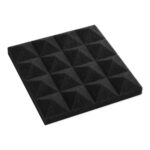
Sound blocking often called soundproofing prevents sound from entering or leaving a room. Sound absorption improves sound quality in a room by reducing reverberation and echo.
If your goal is to reduce noise coming from adjacent spaces such as an office, apartment or classroom, you need sound-blocking materials. Common soundproofing solutions include:
- Mass loaded vinyl (MLV)
- Additional layers of drywall
- Specialized wall and ceiling assemblies
Acoustical panels are designed to absorb sound waves and reduce the amount of sound reflected back into the room, creating a quieter and more comfortable environment. While sound-absorbing panels may slightly lessen the perception of noise from adjacent areas by reducing reflected sound within the room, they are not designed to block sound transmission and should not be considered a primary soundproofing solution.
If your room is echoey or conversations are difficult to understand, sound-absorbing products such as fiberglass or polyester panels, ceiling clouds, baffles or acoustic shapes are the right solution. If you need to prevent sound from traveling between rooms, soundproofing materials are required.
For additional information, watch our video on Sound Blocking vs Sound Absorption.